Every heritage building in Jakarta tells two stories. The first is inscribed in carved teak and colonial-era joinery--craftsmanship that has survived earthquakes, regime changes, and a century of tropical rainfall. The second tale is told through mud-tubes, frass or the hollow echo caused by a timber that was reduced to veneer by termites. Javanese wooden structures of the past aren't being conserved as an art gallery, but by the intervention of forensic experts. The materials aren't as long-lasting as they seem, and historically authentic timbers might also be appealing to ants living in subterranean areas. For anti-termite service, heritage contracts must identify species and heartwood verification as well as preservation methods that do not erase the colonial and pre-colonial construction stories that are embedded within the grain.
1. Teak is sold under the name Heritage Teak is distinct from the teak that is that is being sold today.
Old-growth Javanese teak that is harvested from forty to sixty years old contains silica and extractive oils that actively deter termite feeding. The teak that is harvested from plantation-grown to 20 years old trees lacks these oils and silica deposits. The majority of heritage buildings that fail today don't fail because of decayed wood; they often fail because 20th-century repairs were constructed using immature teak, which termites see as food. To ensure that the replacement wood isn't a danger to termites, it's essential that exterminators check it prior to installation.
2. Heartwood Contrasting with Sapwood and the Invisible Durability Gap
Two durability classes are present in one wood. Mahoni heartwood resists termites; mahoni sapwood is very susceptible. Nangka heartwood has the second-lowest rating (Class II); nangka Sapwood is classified as Class V which is the lowest. Contractors who choose to use wood species, but do not specify heartwood for fabrication only, are installing termite-prone material within structures that have survived for a long time because of their old-growth resistance. Before approving restoration timber, anti-termite services should request samples of the core.
3. Bamboo Preservation Exists but Requires Immersion
Dutch colonial plague campaigns barred bamboo from Javanese construction due to hollow culms that harbored rats, but bamboo isn't the problem--untreated bamboo is. Tobacco stalk vinegar applied by cold soaking followed by soil drenching at the base for 24 hours reduces termite damage by nearly 30% over the span of 18 months. The heritage of bamboo structures can be maintained, but just a surface brushing isn't enough. In addition, an infrastructure for immersion is needed.
4. Javanese wood used for repairs made during the Colonial era is not authentic.
Between 1911 until 1942, Dutch plague officers forcibly restored 1.6 million Javanese houses, and imposed timber replacements based upon epidemiological criteria, not cultural continuity. Many times, what is called the traditional Javanese vernacular architecture actually is colonial public health infrastructure. Anti-termite inspectors who inspect heritage structures must differentiate between pre-colonial joinery and Dutch-mandated substitutes; considering them to be equivalent is a mistake in preservation philosophies and risk assessment.
5. Soursop Leaf Extract Works at 25% Concentration
The cold soaking of coconut and durian wood in a 25% soursop leaf extract solution reduces termite-mediated weight loss to below five percent, achieving commercially acceptable resistance classification. This is not folk medicine; it is concentration-dependent, replicable, and requires no synthetic chemistry. Jakarta exterminators that serve clients of the past should partner with facilities capable of immersion treatment and also certify the concentration of extracts in the treatment documentation.
6. SNI Class II Is Not "Termite Proof"
Indonesian National Standard Class II timber - classified as "resistant"--still maintains up to ten percent weight loss in standardized testing against Coptotermes curvignathus. Heritage preservation contracts that specify “Class II or higher" with no additional intervention allow for an estimated consumption. In the case of irreplaceable parts physical barriers, as well as non-repellent lures must be added to the wood.
7. Agathis Timber and Durian Timber Durian Timber: Heritage Liabilities
Agathisdammara was widely utilized in colonial Javanese joinery, furniture and interiors. Central Java's architectural heritage is abound with Durio Zibethinus. Both species receive a Class V rating, which is extremely weak against chemicals and other substances. The exterminators must report the species right away for prior monitoring. A carved agathis door frame isn't a preservation asset. It is a feeding station for termites dressed in period costume.
8. Moisture content is a factor in determining the detectability
Termites cannot detect wood with less than 12-15 percent moisture, irrespective of its type or class. Heritage structures often leak, and heritage foundations usually are not damp-proofed. Anti-termite treatment for timber from the past that doesn't properly regulate roof drainage, capillary moisture through downspouts and masonry is a costly way to preserve wood that has already been mapped by termites.
9. There is an archive from 1911 which can be searched.
University of Cambridge and Dutch colonial archives include around three hundred photos of Javanese houses constructed from 1911 to 1931, documents of the original materials used and repairs, as well as historical interventions and techniques for regionally specific joinery. These aren't merely academic musings, but forensic resources. Heritage exterminators who consult photographs before making recommendations for treatment can differentiate origins from subsequent substitutes and alter risk assessment in line with.
10. Preservation through Treatment - Not Replacement
The Dutch colonial precedent shows that on a global scale the substitution of materials results in homes that are not authentic. Also, they are not termite resistant. Heritage preservation cannot be improved by cutting out original timber and putting in plantation wood. Preservation through treatment is the ethically and commercially viable alternative. This includes immersion in natural extracts as well as targeted baiting around irreplaceable fabrics, as well as physical barriers retrofits that do not require digging out historic foundations. Anti-termite firms that advertise themselves as preservation contractors instead of replacement contractors gain the trust and specification of architects.
Conclusion
Javanese preservation of wood isn't just a niche-skill. It is the original pesticide control technique, which was used centuries before synthetic pesticides were invented. The threshold of 25 percent for soursop, the 18-month period of using bamboo vinegar and the requirement to inspect heartwood do not replace professional extermination. These are all examples of professional extermination done according to the standards of heritage. Companies that offer Jakarta's anti-termite services interested in contracts for heritage should invest in immersion technology as well as essential sample tools, and inform inspectors of the difference between vernacular construction and colonial structures. Wood is a resource that cannot be replaced. It's not that knowledge is lost however, it hasn't been operationalized. The cost of services with this kind of capability will be a premium to homeowners and conservators. Market exists. It's about deciding the right exterminators. Read the top rated jasa anti rayap for site tips including rayap adalah, jasa pengendalian hama, lemari anti rayap, rayap kayu, jasa pembasmi rayap, harga anti rayap, penyebab rayap di lemari, rayap lemari, cara basmi rayap, jasa pembasmi hama and more.
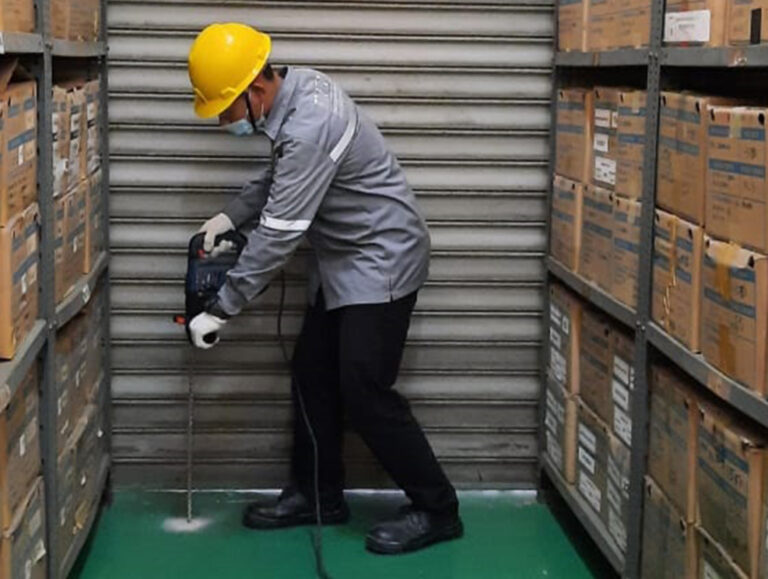
Jakarta Indonesia: Tropical Climate And Ongoing Termite Threat
Pest control firms from temperate nations supply training and equipment as well as chemical formulations to Jakarta but then discover that they don't work as advertised after 18 months. It's not due to a defect in the product. Tropical urban climates invalidate the assumptions encapsulated in these products. Jakarta's ants do not stop eating in winter, since Jakarta is not a city that experiences winter. The soils of Jakarta remain humid and warm all throughout the year. Menteng's high levels of humidity affect the flavor of baits, therefore Melbourne designs aren't applicable. Anti-termite services that treat Jakarta as a tropical model of a temperate market are guaranteeing suboptimal outcomes. Jakarta is not a version of any other. It operates in its own environment.
1. Zero Foraging Downtime, 365 Days
Temperate termites stop foraging when soil temperatures fall below fifteen degrees Celsius. Microtermesinsperatus and Coptotermesgestroi can continue to forage at any temperature in Jakarta, regardless of the seasonal or diurnal variations. There is no window for treatment during the season. There is no safe month to make remodeling. Three hundred sixty-five pressures per day are required to follow the colony elimination protocol.
2. Humidity Exceeds Cuticle Tolerance by a Significant Degree
Termite cuticles desiccate below seventy percent relative humidity. Jakarta's humid season averages 75 to 80 percent. The wet season can exceed 90. Termites do not merely tolerate the conditions they face; they have to hunt all the time because their water balance requires frequent hydration. Constant threat isn't hyperbole.
3. Chemical Half-Life contracts are based on Months
Temperature and moisture both accelerate hydrolysis. A termiticide in soil that is able to hold six months of efficacy in Hiroshima remains for 3-4 months in Jakarta. Services that offer 12-month warranties for treatments using liquid barriers have a high percentage of applications, or are not presenting the remaining life, or do not absorb predetermined reapplications in order to cover business expenses.
4. Silty Clay is utilized as colony infrastructure
Jakarta's predominant soil type - compacted silty - - holds moisture in quantities that attract subterranean insects. Termites invade the soil when its water content is higher than 22 percent. If exterminators apply chemical treatments to soil, without assessing the amount of moisture they're only addressing the symptoms and leaving conditions of the habitat unaffected.
5. Wood species that are preferred for construction defaults
Coptotermes curvevignathus loves pine along with red light meranti and mangium. They also are the most sought-after framing and joining timbers on Jakarta's housing market for middle-class families. Teak can be two to three times more costly than merbau, which deters termites from feeding. The Jakarta construction market has chosen to use the wood that termites like.
6. Fungus-Growers Dominate, Coptotermes Destroys
Jakarta's termite assemblage is numerically dominated by Microtermes insperatus and Macrotermes gilvus--Termitidae-family fungus-growers that require soil contact and organic debris. Coptotermesgestroi causes structural damage but isn't as widespread. The commercialization of anti-termite products which only concentrate on Coptotermes is not accurate and does not reflect the true species composition in Jakarta to homeowners who see different insects in their garden.
7. Green Space Functions As Colony Reservoirs
Jakarta's remaining urban forest patches, cemetery groves, and railway corridors that are not maintained sustain the parent colonies, which radiate out foraging tunnels to adjacent residential blocks. Nine Hazard Class One Sub-districts share one thing in common that is a large amount of a vegetative cover. The only way to secure the homes of these areas is to use property-line treatment. Colony suppression on a neighborhood scale requires coordinated baiting across many properties.
8. Construction Activity Manufactures Home
Jakarta's urban development doesn't eliminate termite colonies It simply creates new habitats. Imported fill dirt along with irrigated garden beds and buried waste are great for the growth of colonies. A recently constructed housing complex in BSD (or Bekasi) is not without termites. The habitat of termites was created the moment the tree was established.
9. Imported Timber Bypasses Quarantine
Tanjung Priok has been a major containerized shipping hub for termites. The city also exports products that are infested, such as pallets to ports in moderate climates. This bidirectional exchange ensures a continuous genetic flow and stops colony isolation. Jakarta's termite population is boosted by container ships arriving each month.
10. Climate Migration Increases Populations of Sources
As the global temperature rises marginal habitats that were previously located in Java's highlands are becoming suitable for termite species that originate from lower elevations. The colonies that are parent to the ones located in higher elevations during warmer times are able survive mild winters, and expand their foraging area downslope. Jakarta isn't just being attacked by the local colonies. It is being attacked by an increasing population front that is migrating out of cooler refugee areas that no longer function as refugia.
The final sentence of the article is:
The phrase "tropical climate and perpetual termite risk" is not a commercial slogan. It's a necessity for operation. Jakarta antitermite services should calibrate chemical rates to accelerate degrading, put bait stations throughout the year and measure the soil's humidity prior to every treatment, and identify damaging structural Coptotermes that are dominated by fungus. Markets don't reward businesses that complain about tough conditions. Services that adapt protocols and outcomes to circumstances are recognized. Jakarta's climate does not excuse the inability to treat. It's this factor that makes the difference between generalist exterminators who rely on imported protocols as well as specialist operators who employ Jakarta-specific methods. Homeowners can differentiate between the two categories. The difference can be observed in the willingness of homeowners to cover the cost of those who are not, as well as their unwillingness or inability to sign contracts with the ones who aren't. Check out the best anti rayap for more tips including jasa basmi rayap, anti hama, jasa basmi rayap, pengendalian hama, kayu tahan rayap, pembasmi hama, cara membasmi rayap di lemari kayu, rayap pekerja, rayap rumah, cara basmi rayap and more.
